Crear mayor conciencia de las enfermedades respiratorias es especialmente importante durante la temporada de resfríos y gripes, que generalmente va desde octubre hasta marzo. En California, esas enfermedades pueden llegar a su punto más alto en enero y febrero, lo que significa que se enferman más personas y las posibilidades de agarrar un resfriado o gripe son más altas que en otros meses. Entender cómo mantener sanos a tus pequeños antes y durante los brotes puede ayudar a tu familia a navegar la temporada con mayor confianza.
- Por qué los bebés son más vulnerables
- Vacunación y vacunas contra la gripe: Para bebés de 6 meses o más
- Vacunación y vacunas contra la gripe: para bebés menores de 6 meses
- Prevención diaria en el hogar
- Cómo vestir a tu bebé para un clima frío
- Señales de enfermedad en bebés: Cuándo llamar al doctor
- Bolsa para días de enfermedad
Los recién nacidos con menos de 6 meses tienen el mayor riesgo de ser hospitalizados por una gripe comparado con niños de otras edades. Como sus sistemas inmunes todavía se están desarrollando, los virus comunes pueden afectarlos más fácilmente. Cuando se enferman, sus vías respiratorias más pequeñas se pueden bloquear, tienen que hacer un mayor esfuerzo para respirar y se cansan más rápido.
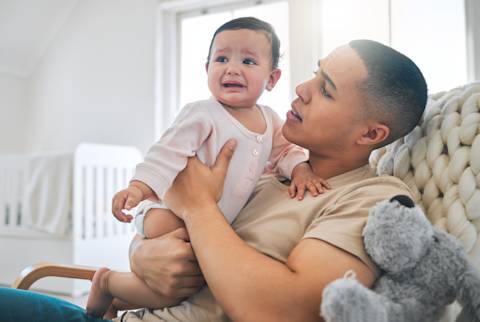
Puede que los bebés no demuestren los típicos síntomas de una gripe, lo que puede hacer más difícil para los padres el reconocer cuando necesitan atención médica. Aunque los niños más grandes y adultos cuando tienen gripe generalmente tienen una nariz moquienta, estornudos, tos y fiebre, los bebés podrían tener otros síntomas. Puede que estén quisquillosos y que sea difícil calmarlos, no quieren beber o comer, tienen problemas para ser amamantados o para beber su biberón, parecen cansados, o respiran rápido. Como los bebés se enferman diferente, es muy importante que los padres confíen en sus instintos y que llamen a su pediatra cuando algo no parece estar bien.
Cuando se trata de proteger a tu niño de la gripe, entender los hechos sobre las vacunas te puede ayudar a tomar decisiones informadas que se sientan bien para tu familia. Los CDC recomiendan que todas las personas de 6 meses o más se vacunen contra la gripe cada año. La vacuna contra la gripe puede reducir el riesgo de enfermarse de gripe, hospitalización, y la muerte en niños. Habla con tu pediatra sobre el mejor momento y qué es lo mejor para las necesidades específicas de tu niño.
Como las vacunas contra la gripe no están aprobadas por la FDA para bebés de menos de 6 meses, protegerlos requiere de diferentes estrategias:
Vacunar a la familia y cuidador: Cuando los adultos y niños mayores que viven cerca de tu bebé están vacunados, crean lo que se llama “círculo de protección”. Esto ayuda a reducir las posibilidades de que la gripe llegue a tu bebé.
Vacunación durante el embarazo: Algunas madres embarazadas eligen ponerse la vacuna contra la gripe durante su embarazo, lo que le puede dar anticuerpos a los bebés dentro del útero o a través de la leche materna cuando ya nacieron. Estos anticuerpos pueden ayudar a reducir el riesgo de hospitalización en recién nacidos por una gripe. Vacunarse durante el embarazo también puede ayudar a reducir el riesgo de hospitalización para las madres embarazadas por enfermedades respiratorias durante la temporada de gripe.
Otras consideraciones: Cada situación familiar es diferente. Algunos padres tienen preocupaciones sobre las vacunas, mientras que otros las ven como una protección esencial. Lo que sea que estés pensando, tu pediatra te puede ayudar a conversar sobre:
Los factores de riesgo individuales para tu bebé
La actividad de gripes en tu comunidad actualmente
Cualquier condición de salud específica en tu familia
Estrategias de protección alternativas
Tener conversaciones honestas y abiertas con tu proveedor de salud sobre qué es lo que mantendrá a tu bebé lo más sano posible puede ayudar a tu paz mental como padre.
Crear un ambiente saludable en el hogar es tu primera línea de defensa contra el resfrío y los virus de la gripe. Aquí hay pasos prácticos que puedes tomar:
Higiene de manos:
Lava tus manos cuidadosamente y con frecuencia, especialmente antes de levantar a tu bebé.
Usa agua y jabón por al menos 20 segundos, o usa desinfectante de manos a base de alcohol.
Asegúrate que toda la familia y los visitantes se laven las manos antes de tocar a tu bebé.
Limita la exposición:
Mantén a tu bebe lejos de personas enfermas tanto como sea posible.
Evita lugares con mucha gente durante la temporada alta de gripe cuando sea posible.
Sé cuidadoso/a con los visitantes, especialmente durante los primeros meses de vida de tu bebé.
Ambiente limpio:
Limpia regularmente las superficies como mostradores, pasamanos y manillas.
Mejora la calidad del aire al aumentar la circulación del aire y la ventilación en tu hogar.
Considera usar purificadores de aire en la habitación de tu bebé.
Salud familiar:
Si tú u otro miembro de la familia tiene síntomas de una gripe, minimiza el contacto con el bebé tanto como sea posible.
Cuando estornudes o tosas cubre tu boca y nariz con un pañuelo o con tu antebrazo.
Si no te sientes bien, piensa en usar una mascarilla cuando estés cuidando de tu bebé.
La ropa adecuada ayuda a tu bebe a estar cómodo y puede apoyar a su sistema inmune al prevenir que se enfríen o les dé mucho calor.
Guía para vestir en capas:
Viste a tu bebé con una capa más de la que tú usarías bajo las mismas condiciones.
Usa telas transpirables, como el algodón, para la capa más cercana a la piel del bebé.
Agrega capas exteriores calientes como poliéster o lana al salir.
Áreas clave para mantener calientes:
Cabeza: Los bebés pierden mucho calor a través de sus cabezas, así que usa un gorro que cubra sus orejas.
Manos y pies: Usa guantes y calcetines abrigados o botitas.
Cuerpo: Mantén el pecho y espalda calientes con suficientes capas.
Consideraciones de seguridad:
Quita todas las capas extra cuando estén adentro para prevenir que se caliente demasiado.
Checa que la ropa no esté demasiado apretada alrededor del cuello, muñecas, o tobillos.
Evita tener sábanas sueltas en la cuna, cámbialos por sacos de dormir para mantenerlos calientes de manera segura.
Señales de temperatura adecuada:
Siente el pecho de tu bebé o la parte de atrás de su cuello. Debería sentirse cálido pero no sudoroso.
Manos frías y pies es normal, pero si el pecho se siente frío, agrega capas.
Si tu bebé está quisquilloso, revisa que no esté demasiado caliente o muy frío.
Reconocer cuándo tu bebé necesita atención médica puede ser difícil si estás inseguro de los signos que debes buscar. Algunos de los síntomas comunes de la gripe en bebés son escalofríos, dolores en el cuerpo, garganta inflamada, tos seca, y una nariz moquienta o que está congestionada. Esos síntomas pueden no ser vistos o confundidos por estar más quisquilloso de lo normal. Entonces, aquí hay algunas cosas clave para tomar en cuenta durante la temporada de gripe.
Llama a tu doctor inmediatamente si tu bebé tiene:
Cualquier fiebre (si tu bebé tiene menos de 12 semanas)
Una fiebre mayor a 104°F (si tu bebé tiene más de 12 semanas)
Dificultad al respirar o respira inusualmente rápido
Piel, labios o uñas de color gris, pálida o de color azul
Señales de deshidratación (pañales secos por 8 horas, boca seca, llora sin lágrimas)
Señales de advertencia de una emergencia:
Las costillas se contraen con cada respiro
Dolor de pecho o dolores musculares severos
Tu bebé no está alerta o interactuando contigo cuando está despierto
Convulsiones
Fiebre con tos que parece mejorar pero vuelve a empeorar
Vómitos o diarrea
Si tu bebé muestra cualquier señal de advertencia de una emergencia, busca atención médica inmediatamente. Confía en tus instintos si algo te parece que anda mal con tu bebé.
Estar preparado antes de que lleguen las enfermedades podría ayudarte a cuidar de tu bebé más efectivamente y reducir el estrés en tiempos difíciles.
Materiales esenciales:
Termómetro digital
Gotas nasales salinas para narices congestionadas
Jeringa de bombilla o aspirador nasal
Humidificador o vaporizador para el cuarto del bebé
Fluidos extra (leche materna, fórmula, o soluciones con electrolitos según lo que recomiende tu doctor)
Objetos de confort:
Cobijas y ropa ultrasuave
Su chupón favorito u objetos de confort
Libros o juguetes silenciosos para cuando el bebé se sienta mejor
Silla mecedora o lugar cómodo para acurrucarse más
Información importante para tener a mano:
El teléfono de tu pediatra y un número de contacto para información fuera del horario de oficina
El lugar de urgencias o la ubicación de las salas de emergencias
El historial médico de tu bebé y medicamentos actuales (si toma)
Información del seguro médico
Creando un plan de cuidado:
Aprende cuándo debes llamar a tu doctor y cuándo debes buscar ayuda urgente
Ten un plan para que alguien cuide de tu bebé si tú te enfermas
Mantén las rutinas de tu bebé tan normal como te sea posible, incluso cuando no se están sintiendo bien
Recuerda que el descanso extra y los líquidos muchas veces son la mejor medicina
Prepararse para la temporada de resfriados y gripe no siempre tiene que ser agobiante. Aunque los bebés son más propensos a enfermedades respiratorias, la mayoría se recupera completamente con el cuidado y la atención adecuada. Al tomar medidas preventivas, mantenerse informado sobre las señales de advertencia, y teniendo los suministros listos, le estás dando a tu bebé la mejor protección posible.
Cuando se trata de la salud de tu bebé, recuerda que buscar consejos médicos tempranamente es mejor que esperar. Tu pediatra es tu mejor fuente de recursos para consejos específicos para las necesidades de tu niño según su historial médico.