Giving your child the best start in life includes the foods they eat. Creating delicious treats without added sugar can seem challenging, but low-sugar treats can be just as tasty and simple to make! With a few simple swaps and creative approaches, you can make snacks that satisfy your child's sweet tooth while supporting their healthy development.
If you've been wondering about sugar and your little one's diet, keep scrolling.
The early years are when children develop their taste preferences—preferences that often stick with them throughout life. Offering naturally sweet foods, instead of those with added sugar, early on can help children appreciate a wider variety of foods.
When children eat fewer sugary foods, they can:
Have more stable energy levels throughout the day
Show interest in a wider variety of foods
Experience fewer cavities and dental issues
Have more room in their diet for nutrient-rich foods
Recent studies found some connections between early sugar exposure and long-term health. Children who had limited sugar exposure in their first few years showed lower rates of diabetes and high blood pressure as adults. While this doesn't mean you need to eliminate all sweetness from your child's life, it does suggest that being mindful about added sugars can be beneficial.
Your pediatrician is also a great resource if you have specific questions about your child's nutrition or if you're concerned about their eating habits. They can provide personalized guidance based on your child's individual needs and development.
There are key differences when it comes to natural sugars versus added sugars. Natural sugars come from whole foods like fruits and milk, and they're packaged with fiber, vitamins, and other nutrients. Added sugars are what food manufacturers put in the foods during processing—ingredients like corn syrup in crackers or sugar in yogurt.
Let's say you're at the grocery store choosing between two yogurt options for your toddler. The first container shows “10g total sugars” and "0g added sugars." This means all the sweetness comes from the natural milk sugars, also called lactose. The second container shows “8g total sugars” and “2g added sugars,” meaning the manufacturer added extra sweeteners beyond what's naturally in the milk.
Added sugars can hide under many names in ingredient lists: high fructose corn syrup, cane juice, honey, agave, or anything ending in “-ose” like dextrose or maltose. The closer these ingredients appear to the beginning of the list, the more of them the product contains. One thing you can start doing today is gradually choosing more foods where the sweetness comes from the food itself or selecting “no sugar added” food options.
How much sugar is considered too much for your child? The American Heart Association suggests that children under 2 should not consume any added sugar, while children 2 and older should not consume more than 6 teaspoons of added sugar per day. To put this in perspective, a juice box often contains about 4–5 teaspoons of added sugar. This doesn't mean your child can never have a treat—it just helps you make informed choices about when and how often.
Now for the fun part! Below are some easy recipes for naturally sweet treats that are also delicious to eat:
No-Bake Energy Bites: These are perfect for busy families! In a blender, combine dates with your child's favorite nuts or seeds. The dates provide natural sweetness and act like glue to hold everything together. For a family activity, have your child help roll the mixture into balls. Try rolling them in coconut flakes or cocoa powder for extra fun and flavor.
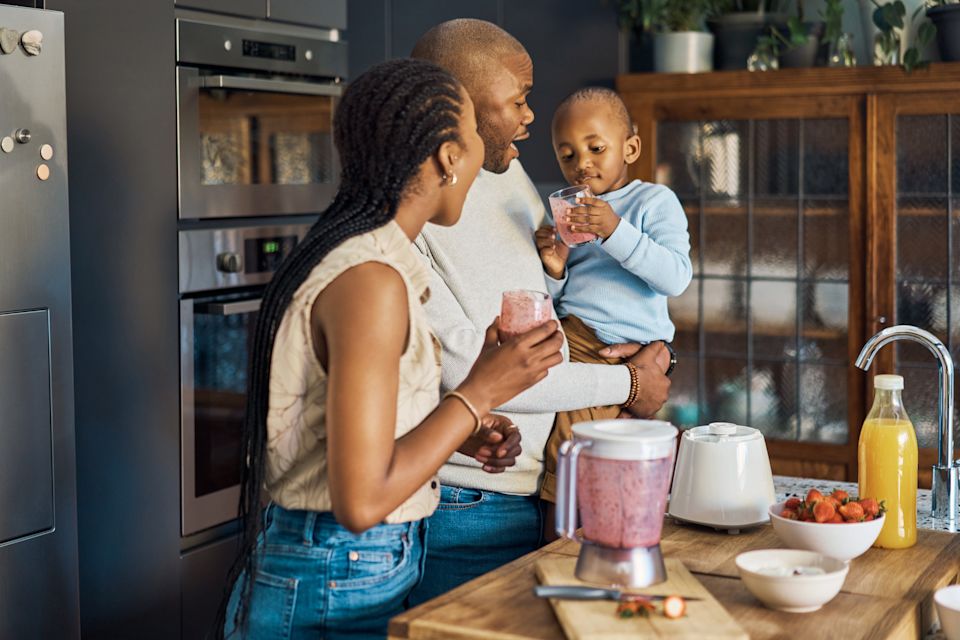
Fruit-Based Frozen Treats: Ever buy bananas that you watch go bad as they sit on the counter untouched? Before they reach the point of no return, throw them in the freezer! Frozen bananas blended in a food processor or blender create an amazingly creamy “nice cream.” Add a tablespoon of cocoa powder for chocolate flavor or blend in berries for a fruity twist. You can also make simple popsicles by blending fruit with a little water or another drink your child likes and freezing them in molds.
Naturally Sweet Baked Goods: If you like baking, try cutting down on added sugars by replacing up to half the sugar in recipes with mashed ripe banana, unsweetened applesauce, or pumpkin puree. These ingredients add moisture and natural sweetness while boosting the nutritional value.
Creative Yogurt Parfaits: Plain Greek yogurt might seem boring, but it's a blank canvas for creativity. Layer it with fresh berries, mashed banana, or a sprinkle of cinnamon. As another family activity together, you can let your child help create their own combinations. They might be more likely to eat something they helped make.
Children can be more excited about food when they help prepare it. Try letting them wash berries, stir ingredients, or arrange toppings. This way, the process can become fun, and they can learn valuable skills, all with you by their side.
Try replacing one sugary snack with a naturally sweet alternative and see how your family responds. It can take multiple exposures to a new food before children accept it. If your child doesn't love something the first time, try again in a few days or weeks.
Also, don't feel like you need complicated recipes to make something delicious. The best healthy treats often have just a few ingredients. Instead of talking about what you're taking away, focus on all the delicious new foods you're adding to your family's routine.
You can also get creative with how you present foods or snacks when you serve them to your child. If something looks fun to eat, they might be more willing to try it. Softer foods like melon slices or whole grain toast can be made into fun shapes using cookie cutters. Serving snacks on colorful plates or in a “special snack bowl” can also help make the food feel special. These simple touches can make healthy foods feel like a celebration.
Enhancing natural flavors is also worth trying. A little vanilla extract can make foods taste sweeter without adding sugar. Cinnamon, nutmeg, and other warm spices can also help food taste sweeter without adding sugar. And small additions like adding orange zest to muffins or a pinch of cinnamon to sliced apples can make a big difference in flavor.
It's completely normal for children to want sweet treats. We're actually born with a preference for sweet tastes! Here are some gentle ways to handle these requests:
Acknowledge their desire: “You really want something sweet right now.”
Offer choices: “Would you like apple slices with cinnamon or berries with yogurt?”
Make it special: “Let's make our own popsicles together!”
Be consistent but kind: “We can have a special treat after dinner.”
Try to keep conversations about food positive and pressure-free. Children pick up on our attitudes about eating, so when we approach healthy foods with enthusiasm rather than obligation, they're more likely to follow suit. Consider involving your child in grocery shopping and let them pick out a new fruit to try. Talk about how different foods help their bodies grow strong. Focusing on family connection instead of what's being eaten can also make a big difference.
Creating a healthier approach to treats doesn't mean your child will never have birthday cake or holiday cookies. It's about building a foundation where naturally sweet, nutritious foods are part of your routine, and highly processed sweets are occasional special treats.
Every small step you take—whether it's offering berries instead of fruit snacks or making homemade muffins with less sugar—is an investment in your child's long-term health and relationship with food. Trust yourself, be patient with the process, and remember that you're doing a wonderful job caring for your family.