Halloween is one of the most fun nights of the year for children, and a few simple habits can help keep it that way. Here’s what to know about walking safely, staying visible, and choosing a safe costume so trick-or-treating stays about the fun, not the close calls.
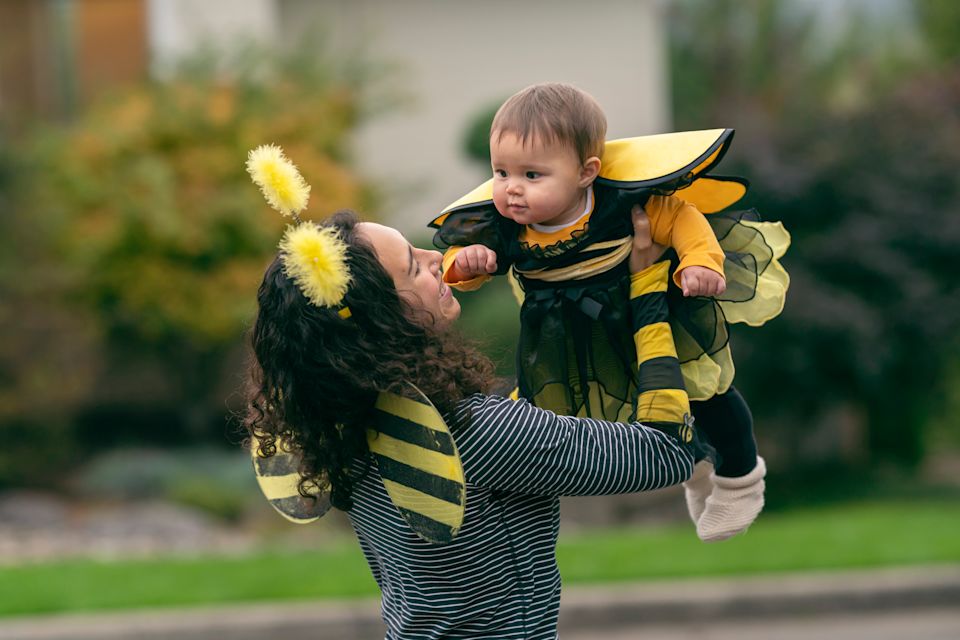
Halloween night means dark streets, excited children, and a lot more people walking on sidewalks that are usually quiet. According to the National Highway Traffic Safety Administration, Halloween is consistently one of the top three days of the year for pedestrian injuries and deaths. But a few easy habits can lower that risk without taking any of the fun out of the night.
Try to remember these three things:
Stay close. Even if your child is trick-or-treating with a larger group, it’s still a good idea to walk with them. A grown-up should accompany young children around the neighborhood every time.
Be seen. Trick-or-treaters need to see and be seen, so adding reflective tape to costumes and treat bags and using a flashlight to light the way can help.
Cross safely. Stay on the sidewalk whenever possible. If there isn’t one, stay as close to the side of the road as you can, and walk facing traffic. Cross the street as a group, and use a crosswalk when one is available. Don’t assume a car will stop just because you and your child have the right of way. Drivers may have trouble seeing trick-or-treaters in the dark.
Beyond the basics, a few more habits go a long way once you’re on the sidewalk.
Remind your child that safety comes first and that they should never run into the street, even if it’s full of other trick-or-treaters. Don’t count on cars to drive extra carefully just because it’s Halloween.
A few more good habits for the walk itself:
Look both ways before crossing, and cross only at the corner. Skip crossing between parked cars, and avoid cutting across front yards or through alleys.
Walk, don’t run, between houses and use sidewalks whenever they’re available.
Talk with your child about distracted walking, including looking at a phone or wearing headphones, since it’s harder to stay alert to cars and curbs when attention is somewhere else.
Being seen matters just as much as looking where you’re going, especially once the sun goes down.
Choose light-colored clothing when you can, since it stands out far more than dark costumes after dark.
Add reflective tape to costumes and treat bags, and consider a glow stick or two for extra visibility.
Use a flashlight to help light you and your child’s way and to help drivers spot you. As mentioned earlier, drivers may not see your child in time, no matter how visible their costume is.
A costume should be fun to wear and safe to move around in. Here are a few things to check before buying the costume and heading out the door for trick-or-treating:
Make sure the costume is flame-resistant, and keep some distance from any open flames, like jack-o’-lanterns with real candles inside.
Ill-fitting costumes can be dangerous. Anything too long or baggy can cause your child to trip or can get caught on a railing or decoration.
Good shoes matter too since your child will be walking at night, sometimes on uneven sidewalks.
Choose makeup and hats instead of a costume mask since masks can block a child’s vision. Test any makeup on a small patch of skin 24–48 hours ahead of time to check for a reaction.
Some makeup can be tough on skin or hard to wash off, so plan for a shower before bed if your child is wearing a lot of it, since it can get into their eyes while they’re sleeping.
Skip decorative contact lenses that aren’t prescribed by an eye doctor. Contact lenses sold without a prescription aren’t approved for safety and can cause real harm to the eyes.
Check the candy before it gets eaten. Tell your child not to eat anything that isn’t in the candy’s original wrapper, and look over every wrapped treat for signs of tampering, like small holes, tears, or an odd appearance, before it’s eaten. A healthy dinner before heading out can also help ease the temptation to eat the candy along the way.
Watch for choking hazards with younger children. For toddlers and preschoolers, it’s worth removing gum, jawbreakers, peanuts, hard candies, or small toys from their treat bag and keeping the bag with you so you can decide if and when your child can have the candy.
Check labels for allergies. Fun-size candy usually doesn’t have its own ingredient label, since that information is printed on the bag it came in, not the individual piece. If you can’t confirm a treat is safe, it’s best to treat it as unsafe. Many families handle this with a candy swap: Trade any candy your child can’t have for pieces from another trick-or-treater’s bag that they can. It’s a simple way for your child to end the night with just as much candy, minus the guesswork.
If you’re the one handing out candy, a few small steps help keep visiting trick-or-treaters safe too: Light the area well and sweep leaves or debris off your sidewalk and steps. Use battery-operated candles instead of real ones in jack-o’-lanterns to avoid a fire hazard, and if you have pets, consider keeping them in a separate room during trick-or-treating hours. A steady stream of costumes and doorbell rings can be stressful for pets, and even friendly ones might jump, bark, or dart out the door, which can be unsettling or unsafe for visitors who aren’t used to animals.
One more tip for peace of mind: Pinning a tag with your child’s name and your contact information to their costume can make it much easier to reconnect quickly if you’re ever separated while trick-or-treating. With a little planning, Halloween can stay exactly what it’s supposed to be: a fun, memorable night for your child, start to finish.